AI Finance & Accounting Programme
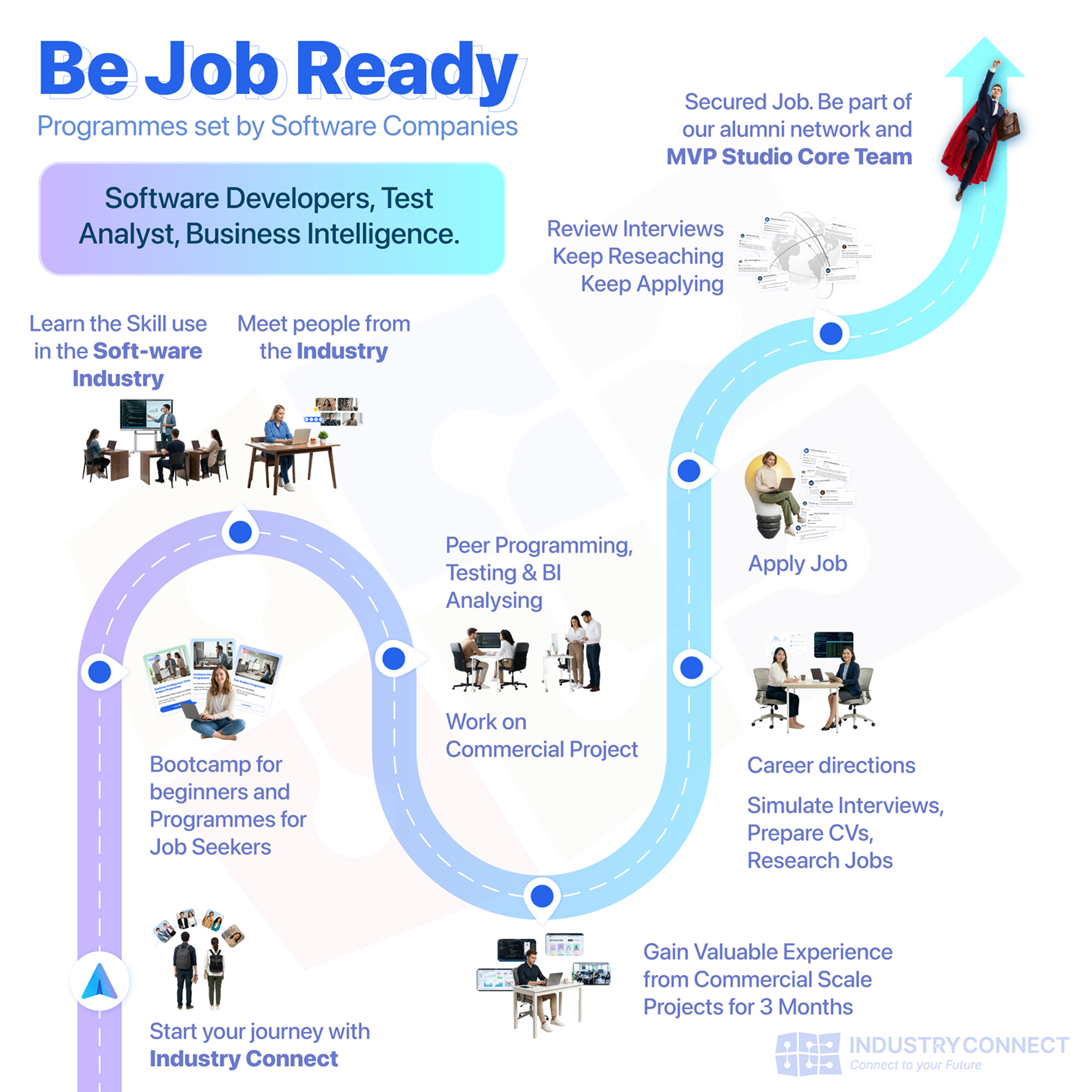
Six weeks of job ready accounting training, then a three month commercial internship, then our Employer Network.
This programme is designed and advised by Global Tech Industry Partners and Companies
Finance teams have changed, and hiring has changed with them. Cloud ledgers post most of the routine entries, AI assistants draft the coding, the reconciliations and the commentary, and the person in the seat is paid to check that work, catch what the machine got wrong and explain the numbers to the business. Employers are hiring for that judgement, and a traditional accounting qualification does not teach it.
The AI Finance & Accounting Job-Ready Programme is a practical AI accounting course for people who want their first finance or accounting role. It runs for six weeks, continues into a three month commercial internship doing real finance work, and then into our Employer Network. It is created and presented by experienced accountants, finance analysts and technologists who work in commercial finance teams, and it is built as job ready accounting training for the Australian and New Zealand markets.
Weeks 1 to 4 are a shared foundation everyone completes: the accounting cycle and double entry, working inside a cloud accounting ledger, Excel and SQL for financial data, and a full week on AI for finance. For weeks 5 and 6 you choose one of four specialised tracks, Accounting, Financial Analyst, Treasury or Tax. You do not have to choose until the end of week 4.
You learn by doing. The programme is 48 lessons and 240 graded tasks carried out inside simulated finance software, so you are working in a ledger, a close room, a reporting tool and a business bank rather than reading about them. Every task is marked against a rubric and comes back telling you what was wrong and how to fix it, so you finish with a record of work you can show an employer.
We are here to assist with guidance in your personal job hunt, including CV preparation, LinkedIn profile improvement and interview technique. On completing the programme and the internship you receive a reference letter covering your commercial project experience and the finance and accounting skills you used while with us.
Why learn cloud accounting software
- Cloud ledgers are where the day to day work of a finance team happens.
- Set up a company file and process bills, invoices and bank feeds.
- Run a bank reconciliation from feed to a matched, explained balance.
- Review what the ledger’s AI suggests instead of typing every line yourself.

Why learn Excel and SQL for financial data
- Clean and structure messy finance data before you report on it.
- Use the core formulas, lookups and PivotTables that finance work runs on.
- Query financial data with SQL instead of waiting for someone to send a report.
- Excel and SQL are still the two tools nearly every finance job advertises.
Why learn AI verification and supervision
- AI now drafts the coding, the reconciliation and the commentary. Someone has to check it.
- Catch and classify what AI gets wrong: wrong GST, wrong period, duplicates, invented references.
- Supervise agent-drafted work and know when to escalate to a senior.
- You finish with an AI Error Catch-Log, evidence that you catch what AI gets wrong.

Why learn month-end close and reporting
- Accruals, prepayments, payroll journals and balance-sheet reconciliations.
- Work a close checklist to a deadline, the way a real finance team does.
- Write variance commentary that explains why the numbers actually moved.
- Month-end is the work an assistant accountant is hired to do.
One Programme, 4 Career Paths
Everyone completes the same four week foundation. For weeks 5 and 6 you choose one path, and you do not have to choose until the end of week 4.
AI Accountant
Month-end close and financial reporting.
- Accruals and prepayments
- Payroll journals
- Balance-sheet reconciliations
- Fixed assets, inventory and COGS
- Multi-entity and intercompany basics
- Run the Full Close, Start to Finish
Leads to an assistant accountant role
Indicative first year band: AUD 60,000 to 85,000
Financial Planning & Analyst
Management reporting and planning.
- The management P&L and contribution margin
- The variance bridge and the commentary that goes with it
- KPIs and dashboards
- Reviewing AI-drafted analysis
- Driver-based budgets and rolling forecasts
- The 13 week cash flow forecast
- The business case and the board pack
Leads to a junior financial analyst role
Indicative first year band: AUD 70,000 to 100,000
Treasury Manager/Analyst
Cash and payments.
- The daily cash position
- Working capital and the cash conversion cycle
- Short-term liquidity forecasting
- FX exposure and hedging
- Payment operations and controls
- Payment fraud and business email compromise
- Funding, covenants, surplus cash and treasury policy
Leads to a treasury analyst role
Indicative first year band: AUD 70,000 to 95,000
Tax Auditor
GST, crypto and business tax.
- GST in practice, by market
- Crypto foundations and classification
- Crypto reconciliation
- Crypto tax and CGT working papers
- BAS end to end
- Business income tax and fringe benefits tax
- Tax-effect accounting
Leads to a tax assistant role
Indicative first year band: AUD 65,000 to 90,000
Salary figures are indicative first year bands for Australia, blended from public salary guides and our employer network. They are directional only, not individual advice, and not a guarantee of any outcome. Roles our graduates target include Accounts Assistant, AP/AR Officer, Assistant Accountant, Junior Financial Analyst (FP&A), Treasury Analyst and Tax Assistant, with an entry accounting band of AUD 55,000 to 80,000.
6-week Job-Ready Training
Six weeks of hands-on training inside simulated finance software. Weeks 1 to 4 are a shared foundation, weeks 5 and 6 are your chosen track. 48 lessons and 240 graded tasks, each marked against a rubric.
Commercial Internship
We say, the best way to learn is to get hands-on experience. Three months of real finance work on commercial projects: reconciliations, month-end close support, management reporting and AI-assisted analysis.
Employer Network
Get Recruiter-led Job Assist and Access to our Employer Network, including Job Recommendations, Interview Preparation, and Employer Communication.
- Job seeker aiming for a first finance or accounting role in Australia, New Zealand or Singapore
- Accounting or finance graduate who needs commercial experience to get past the first screen
- Career changer moving into accounting, financial analysis, treasury or tax
- Bookkeeper or accounts assistant who wants to step up into month-end close and reporting
- Finance professional who wants to work with AI tools properly and be able to prove it to an employer
| # | Description | Duration | Details |
|---|---|---|---|
| 1 | 6 Weeks Training | 6 weeks | Hands-on Interactive Learning inside simulated finance software. 48 lessons and 240 graded tasks, supported by Q&A facilitators, weekly tutor support and a tech expert support portal. |
| 2 | Commercial Internship | 3 months + | Do commercial finance work in a real team, using the skills you have learnt. Extension beyond 3 months is possible. |
| 3 | Employer Network | Ongoing | Get interview-ready support, CV customisation, mock interviews, practice with real employers, and access to our Employer Network and job opportunities. |
- NO trainers but industry experts. Sessions are run by accountants, finance analysts and technologists with commercial experience.
- NO books! You work inside simulated finance software: a cloud ledger, a month-end close room, a reporting tool, a business bank, Excel, SQL and AI assistants.
- NO assignments or exams! Every task is a piece of job-style work, graded against a rubric, with feedback naming what was wrong and how to fix it.
Weeks 1 to 4: the shared foundation
Week 1: Accounting Fundamentals & Workflows
The accounting cycle, double entry, AP and AR, bank reconciliation, and a GST introduction across Australia, New Zealand and Singapore.
Week 2: Cloud Accounting Software
Working inside cloud ledgers: processing transactions, bank feeds, and reviewing what the AI suggests instead of typing everything.
Week 3: Excel, SQL & Financial Data
Cleaning data, the core formulas, PivotTables, and SQL for financial data.
Week 4: AI for Finance
The signature week. The 2026 AI stack, verification discipline, supervising agents, and client confidentiality.
Weeks 5 & 6: choose one of the four career paths
AI Accountant
Month-end close and financial reporting, through to running the full close start to finish. Leads to an assistant accountant role.
Financial Planning & Analyst
Management reporting and planning, from the management P&L to the board pack. Leads to a junior financial analyst role.
Treasury Manager/Analyst
Cash and payments, from the daily cash position to FX exposure, payment controls and payment fraud. Leads to a treasury analyst role.
Tax Auditor
GST, crypto and business tax, from BAS end to end to tax-effect accounting. Leads to a tax assistant role.
Interns work on commercial finance projects, putting the training into practice on real work rather than exercises. Projects are built around the jobs finance teams actually need doing: reconciliations with a clear audit trail, month-end close support, management reporting and variance commentary, and AI-drafted analysis that a person reviews before it goes out.
- Built repeatable reconciliation routines with clear audit trails
- Supported month-end close and balance-sheet reconciliations
- Produced management reporting and variance commentary
- Reviewed and corrected AI-drafted finance work before it went out
Get Recruiter-led Job Assist and Access to our Employer Network. After your training and internship, our team works with you on Job Recommendations, Interview Preparation, and Employer Communication, connecting you with companies that hire from our network until you land your first finance role.
Get the Info Pack and talk to our team
Five quick questions. We send you the Info Pack and an invitation to an advice session with our career team.